Need a useful starting point? Bring floor area, soil and shift length.Open the planning resources
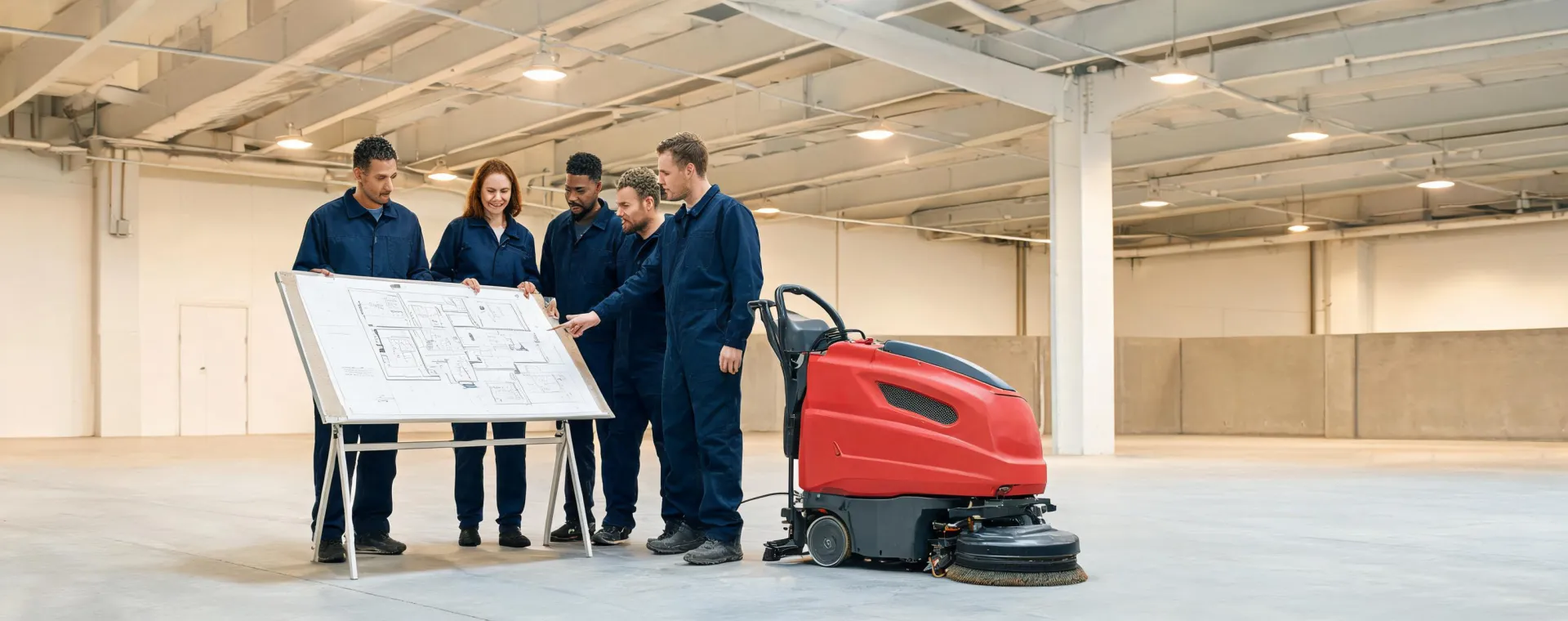
Facility team reviewing a Numatic floor-care route

Our approach

About a practical Numatic machine decision

This website treats a cleaning-machine inquiry as a sequence of evidence: the place, the task, the controlled trial, the handover and the service record. It does not invent company milestones, certifications, customer outcomes or model specifications that are absent from the supplied brand assets.

A traceable story

From an untidy problem statement to an accountable cleaning route

The timeline is a working method rather than a corporate history. Each stage leaves an artefact that the next person can inspect, question and update.

Stage 1

Describe the facility

Record floor materials, joints, slopes, obstacles, pedestrian interfaces, cleanable area, restricted access and the location of water, charging, storage and waste-disposal points. Separate the total building area from the route the machine can actually clean.
Stage 2

Define the soil and outcome

Identify whether the route involves loose debris, tracked dirt, oily residue, liquid pickup or a finish-sensitive surface. State what acceptable recovery and appearance mean after drying, and note any site procedure that limits chemistry or access.

Stage 3

Run a controlled trial

Hold the marked area, floor condition, pad or brush, solution, pass pattern and travel speed in the record. Observe edge access, turns, squeegee recovery, refilling, dumping and the work needed after the main pass.

Stage 4

Handover and review

Confirm the current manual, model identifier, daily inspection, tank and squeegee care, consumable checks, storage and defect escalation. Review results after operators have used the agreed route rather than relying on a demonstration alone.

Operating principles

Friendly guidance still needs firm evidence boundaries

Ask before assuming

A familiar brand or product family does not answer the questions of access, floor finish, electrical supply, filtration, chemical compatibility or productive shift time. Those conditions belong in the brief.

Compare methods fairly

Wider decks can reduce passes but need space to turn. More aggressive tools may address some soils but can be unsuitable for sensitive finishes. A useful comparison shows both sides and fixes test conditions.

Keep limits visible

Theoretical coverage excludes setup, edging, refilling, disposal, obstruction and final care. Runtime, recovery and consumable life vary with machine condition, settings, surface and operator practice.

Roles in a sound handover

Responsibility is clearer when each perspective has a place

These are operational roles, not biographies or claims about named Numatic employees.

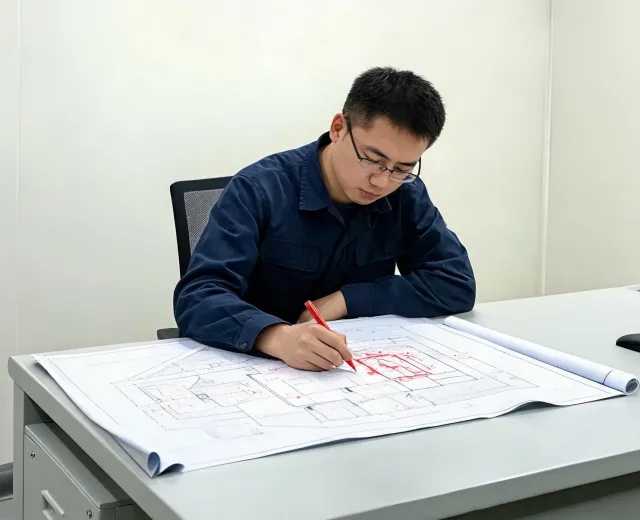
Facilities lead reviewing a floor plan

Facilities lead

Defines outcome, access, shift and evidence requirements.

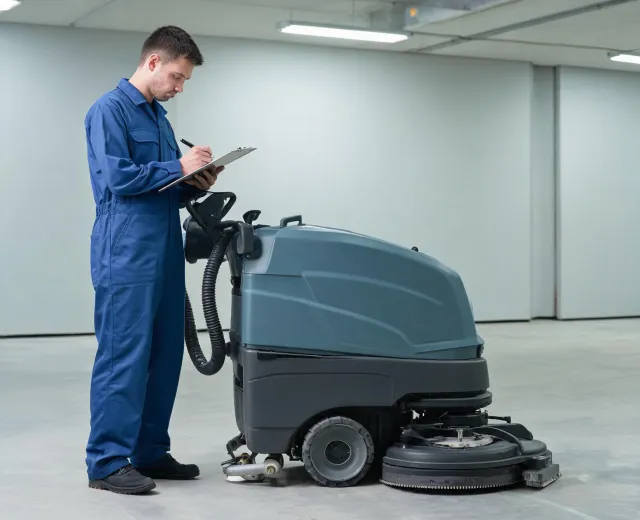
Cleaning operator checking a scrubber deck

Operator

Tests manoeuvring, controls, recovery and daily care.

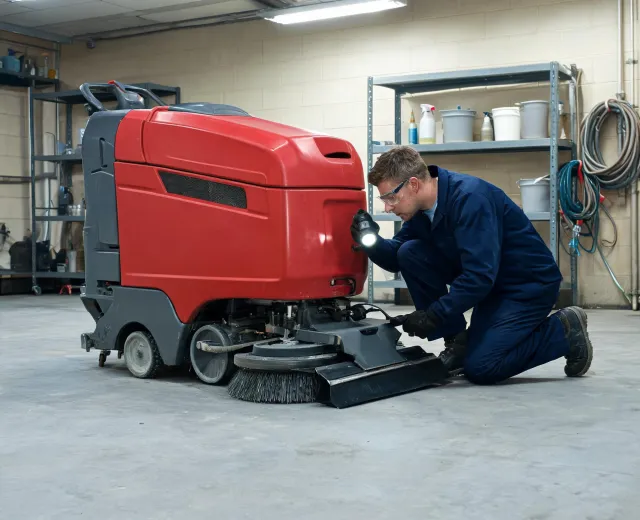
Maintenance role recording machine condition

Maintenance role

Tracks symptoms, consumables, identifiers and escalation.

Procurement role checking documents

Procurement role

Checks document scope, support path and commercial assumptions.

Evidence to request for the chosen model

Current technical dataOperating instructionsApplicable declarationsConsumables recordService contact path

Continue with evidence

Bring the route record to a Numatic conversation

Use the resources page to prepare the floor survey and trial sheet, or send the same details through the inquiry form. Product-specific limits and documentation remain the final authority.

Open resources